The last thing your water touches should be natural.
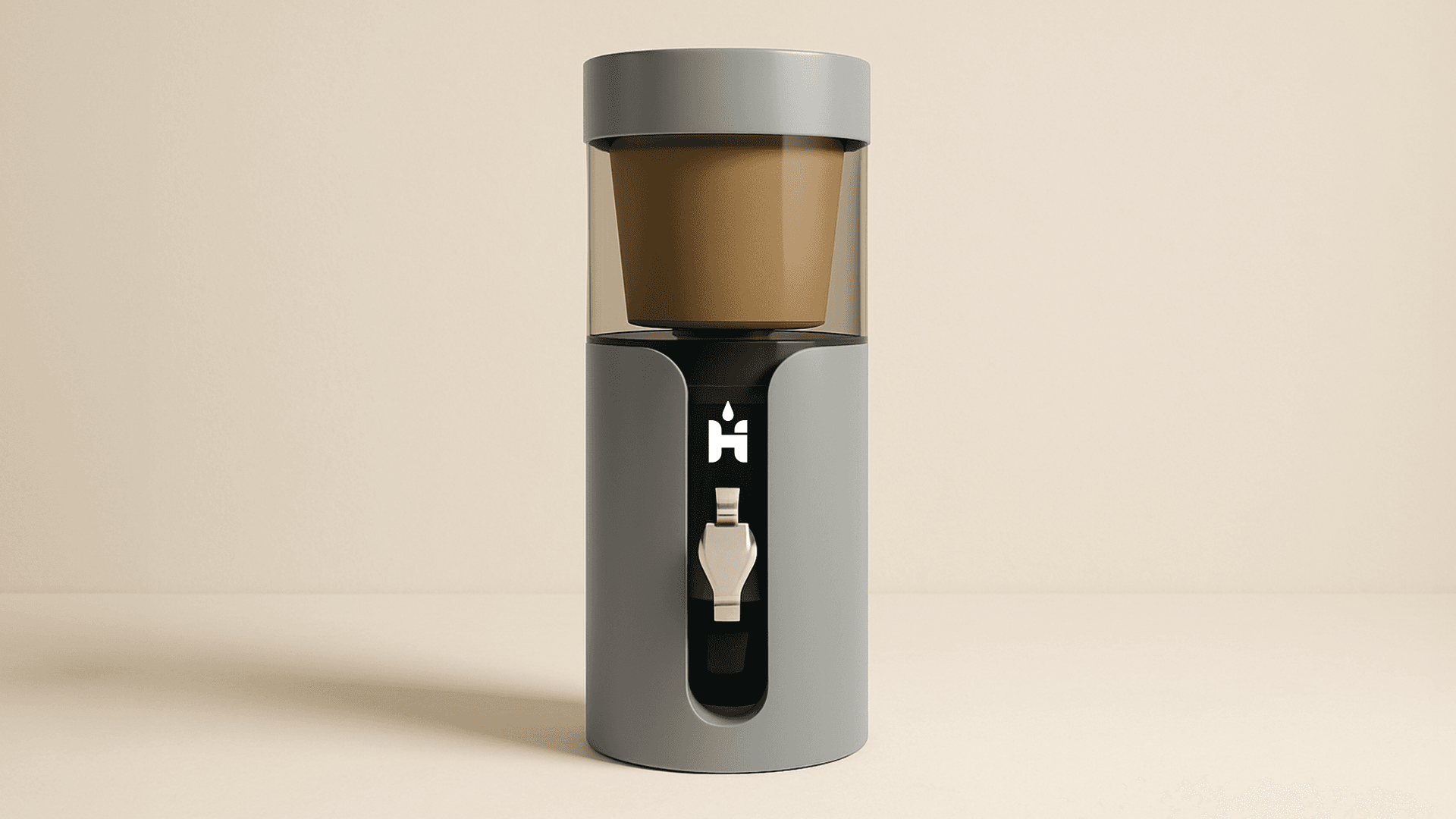
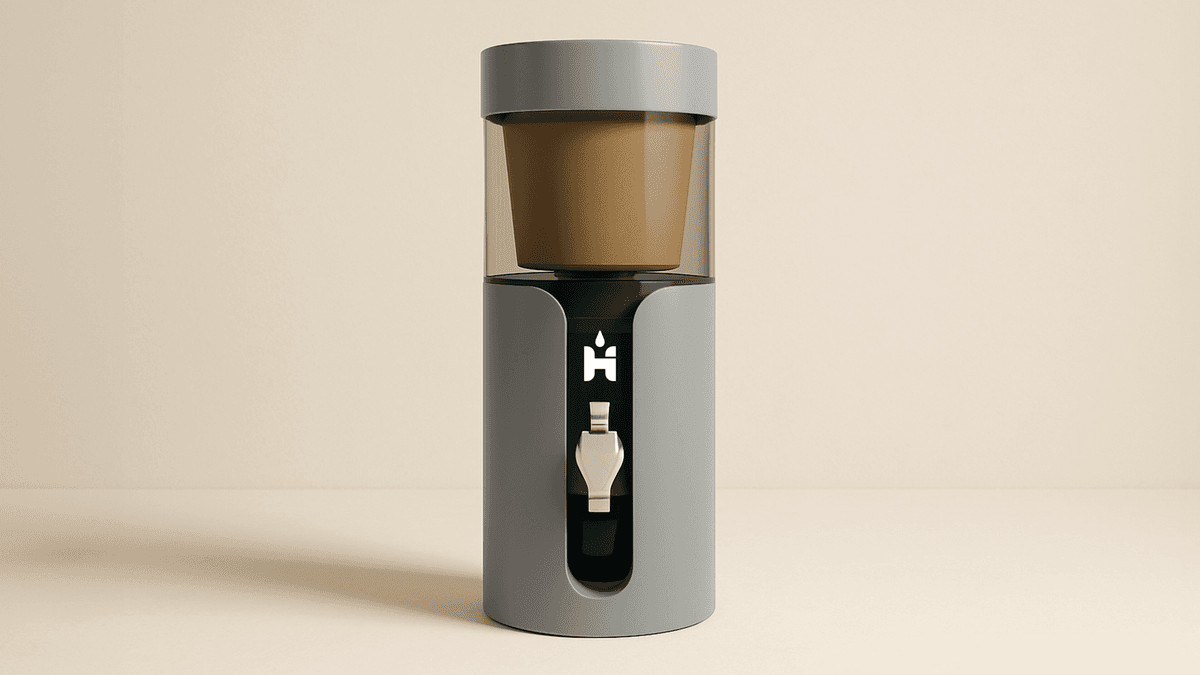
A gravity-fed clay water filter, in development. No plastic cartridges. No synthetic membranes. Just engineered earth.
Before plastic filters existed, humans filtered water with earth. We're bringing that idea back — with modern science.
Why Clay, Why Now?
A short introduction from Milin — the thinking behind Hydrate The Imagination, why clay matters, why plastic filters need rethinking, and how ancient material wisdom is being tested through modern science.
A short introduction to the thinking, the material, and the mission.
Most home water filters are made of plastic.
Plastic cartridges. Synthetic media. Disposable components, replaced every few months and sent to landfill. Many filters promise cleaner water — but the last thing your water touches shouldn't be plastic.
We believe drinking water deserves something better. Something natural. Something that's been quietly filtering the earth for millions of years.
Explore the Alternative
A filter made from earth.
Clay vessels have been used to store and cool water for centuries — across India, the Mediterranean, the Americas. Before plumbing, before plastic, before multi-stage cartridges, people across the world trusted what nature had provided.
We're developing a gravity-fed clay filtration system: water moves slowly through an engineered clay structure, drawing on its natural porosity and mineral character.
What we're exploring: cleaner-tasting water, improved mouthfeel, a fully natural filtration medium, and a meaningful reduction in disposable plastic cartridges.
All performance claims will be validated through laboratory testing.
Ancient Knowledge. Modern Science.
Clay filtration is one of the oldest water purification methods known to humankind. Millennia before anyone understood microbiology or surface chemistry, civilisations were using clay to clarify, cool, and improve their drinking water.
We're applying modern materials science to that ancient intuition — studying clay at the microscopic level to understand why it works, and how to make it work predictably for the modern home.
Our research focus:
- •Clay mineral composition and sourcing
- •Pore structure and how water moves through it
- •Firing conditions and their effect on performance
- •Long-term durability and cleaning protocols
Ancient
Centuries of clay water storage and filtration across cultures
Modern
Materials science, laboratory testing, and engineered precision
How Clay Interacts With Water
Clay is naturally porous. When water moves through its microscopic pore structure, it does not simply pass through — it interacts. Clay minerals carry surface charges that attract and bind certain dissolved substances. The tortuous path through the material slows water down, increasing contact time with the filtration medium.
Minerals within the clay can also influence the sensory character of the water — its taste, its mouthfeel, its freshness. Different clay bodies — sourced from different geological deposits, composed of different mineral blends, fired at different temperatures — produce meaningfully different results.
This is not a one-size-fits-all material. Understanding and controlling these variables is at the heart of our work.
Water Wisdom Across Civilisations
Long before anyone called it “filtration,” cultures across the world understood that clay made water better. This global heritage of clay water vessels spans continents and millennia.

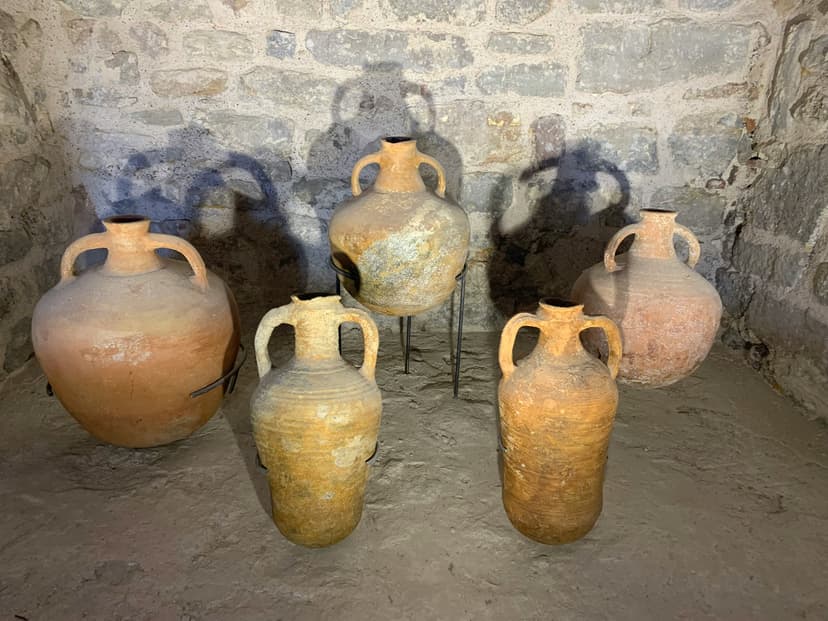
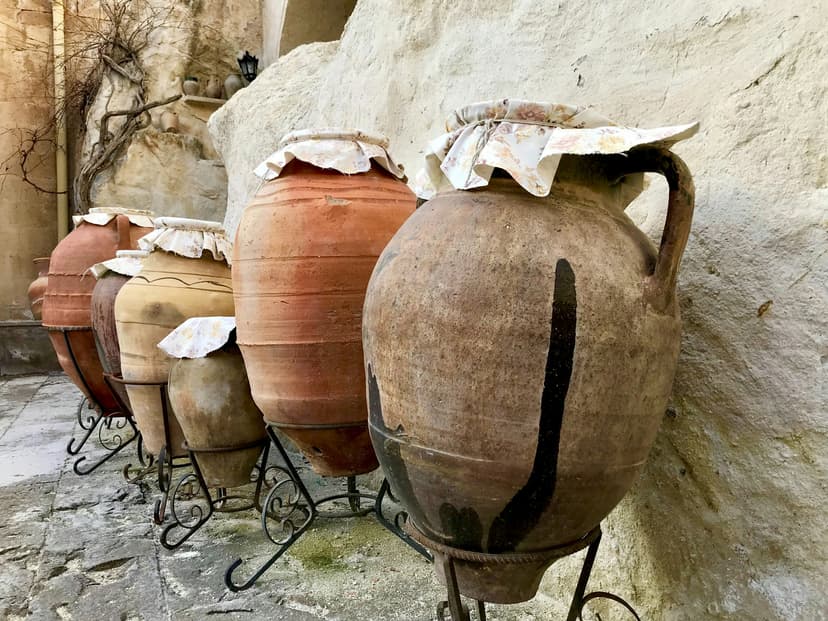
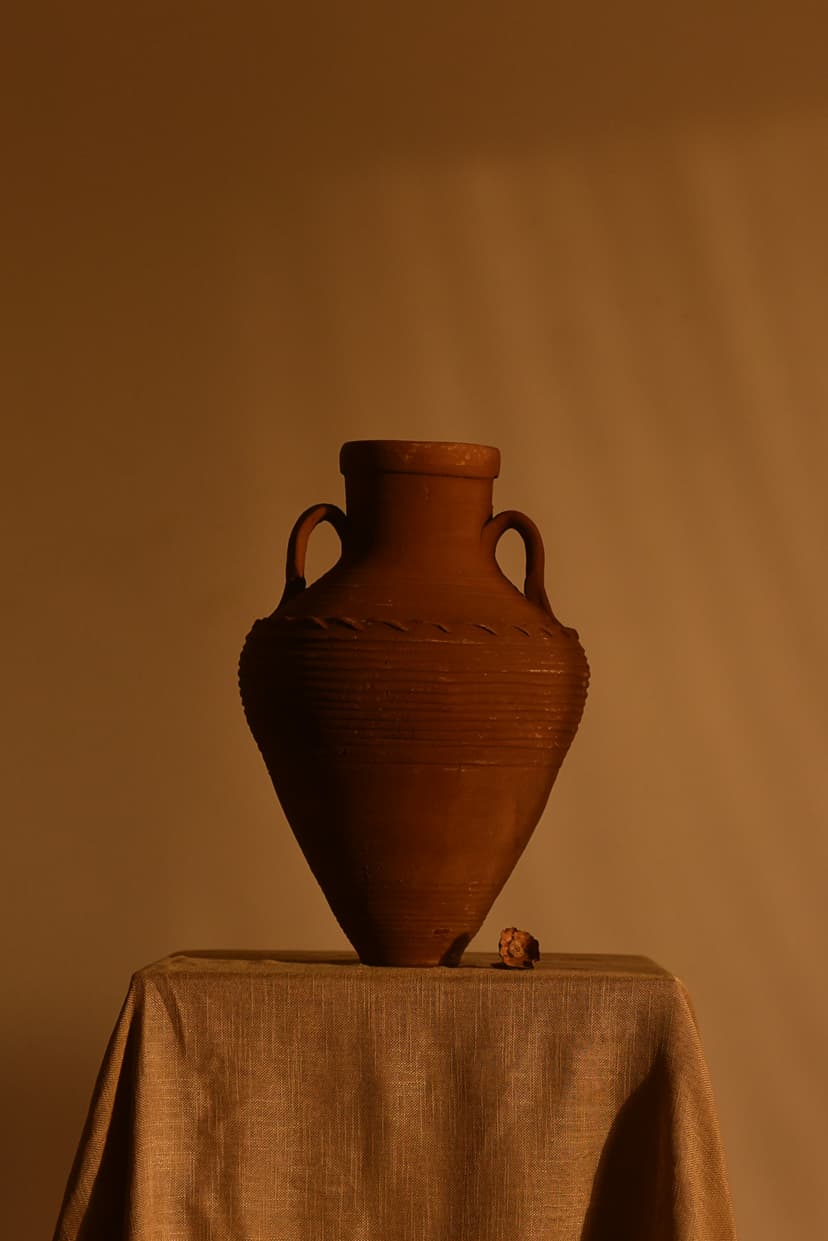
Roman Amphorae
Clay vessels used to store and transport liquids — including water — across the Roman Empire.
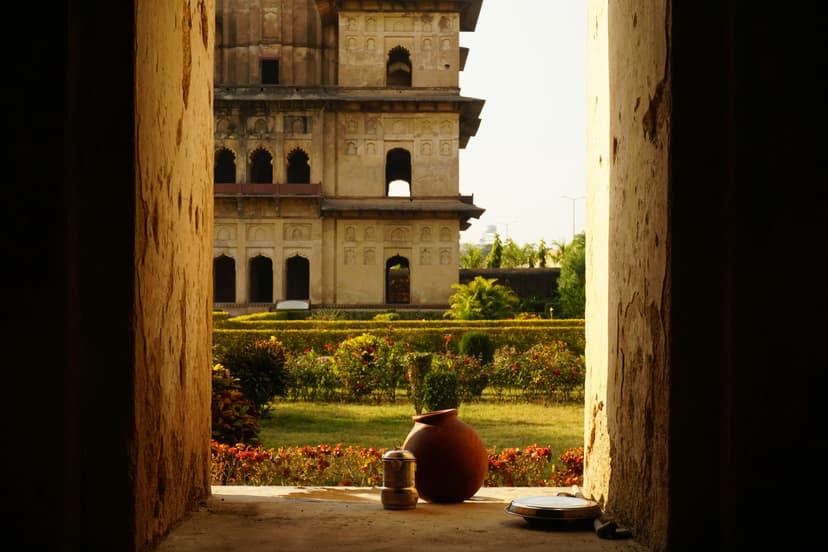
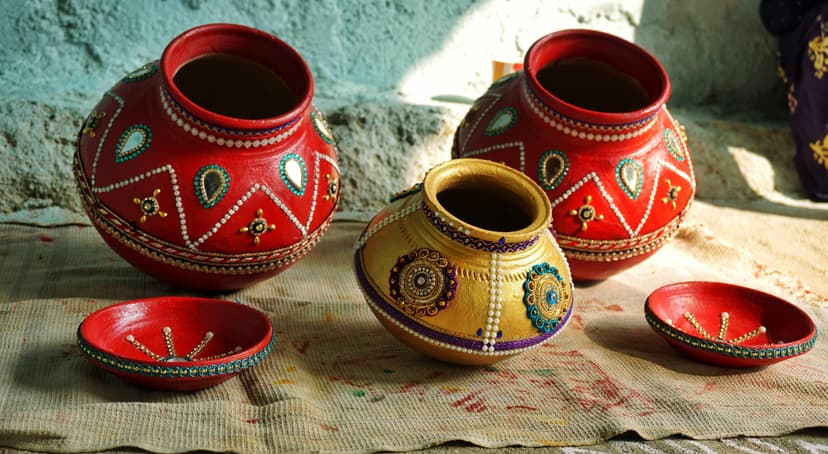
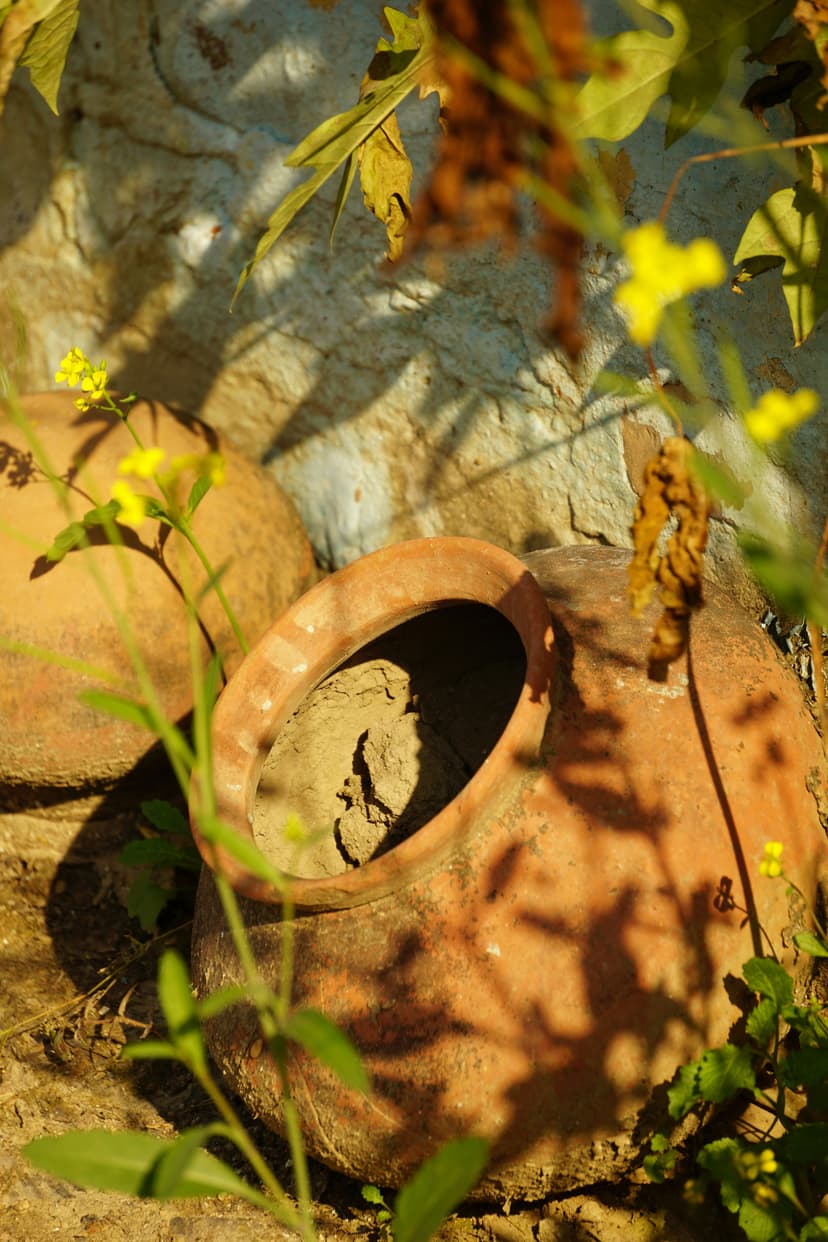
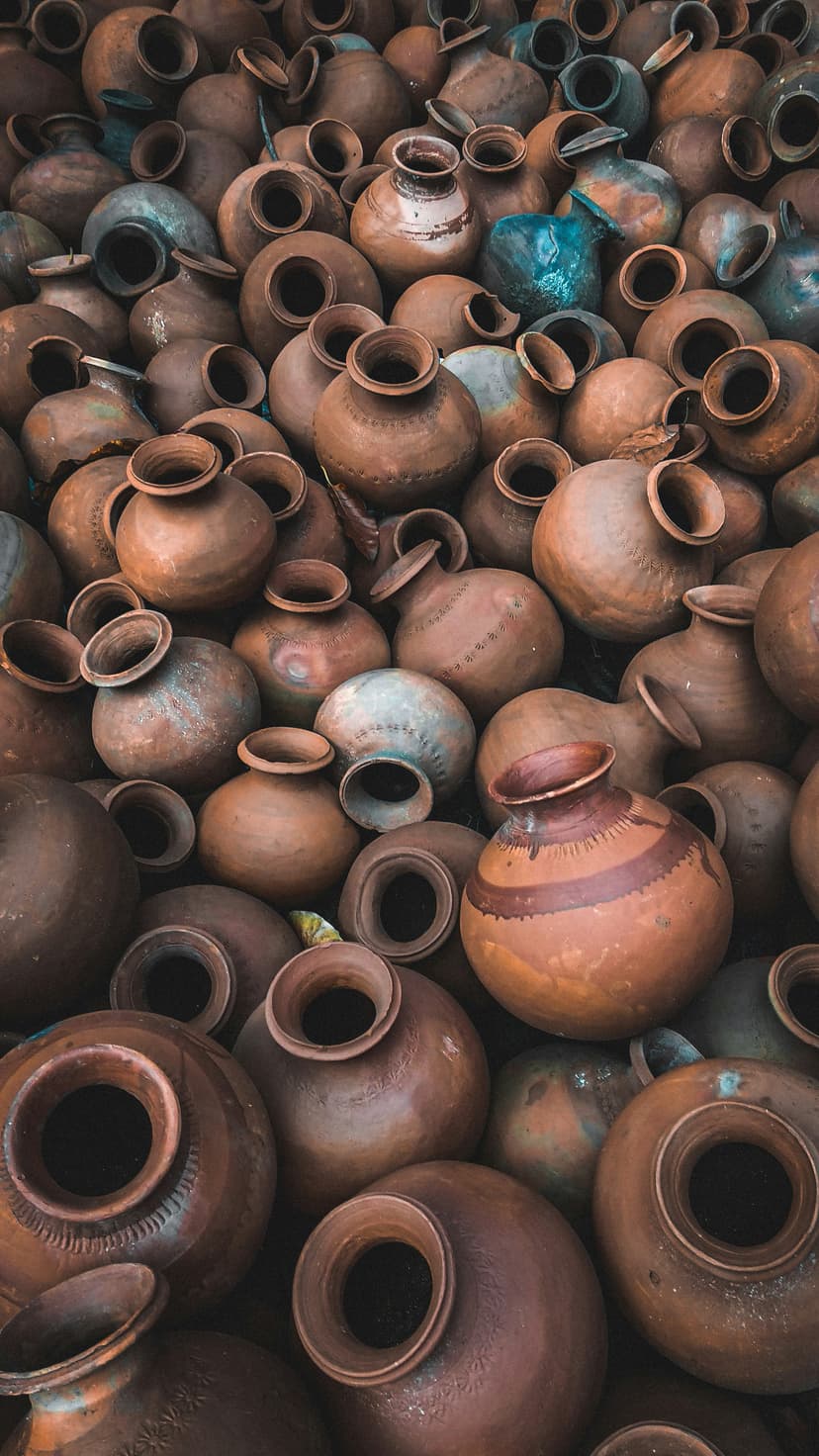
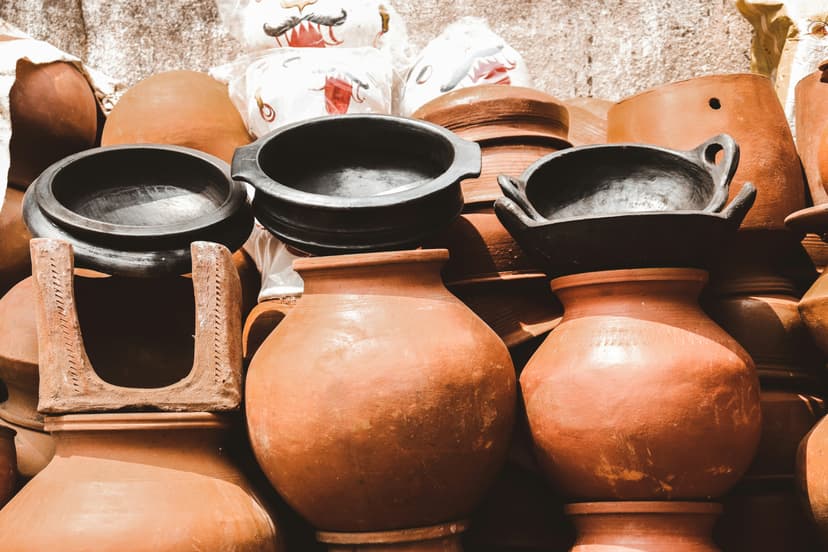
Indian Matka Pots
Porous clay pots that naturally cool drinking water through evaporation. Still used in millions of Indian households today.
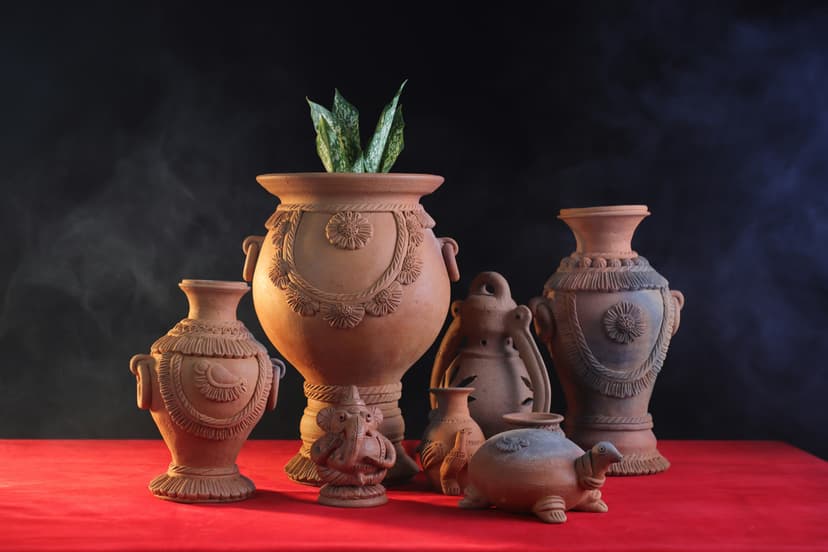
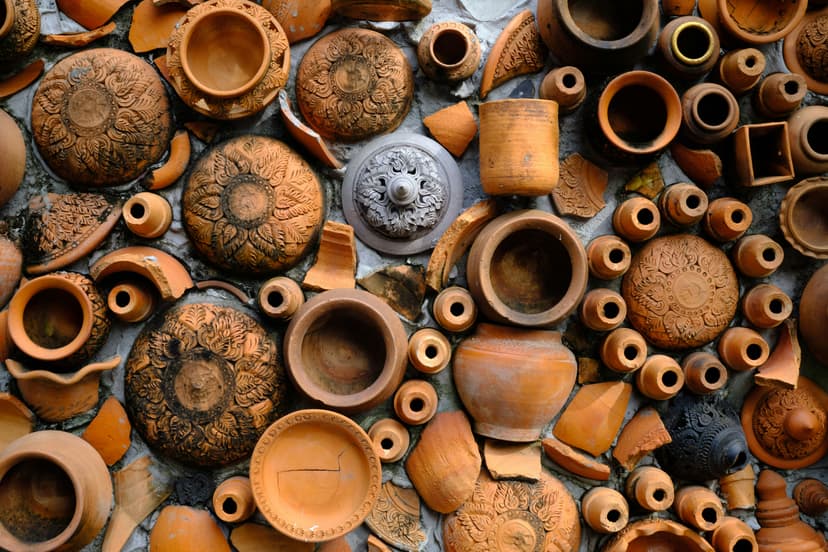
Mesoamerican Clay Vessels
Ceramic containers used for water storage and ritual purification across pre-Columbian civilisations.
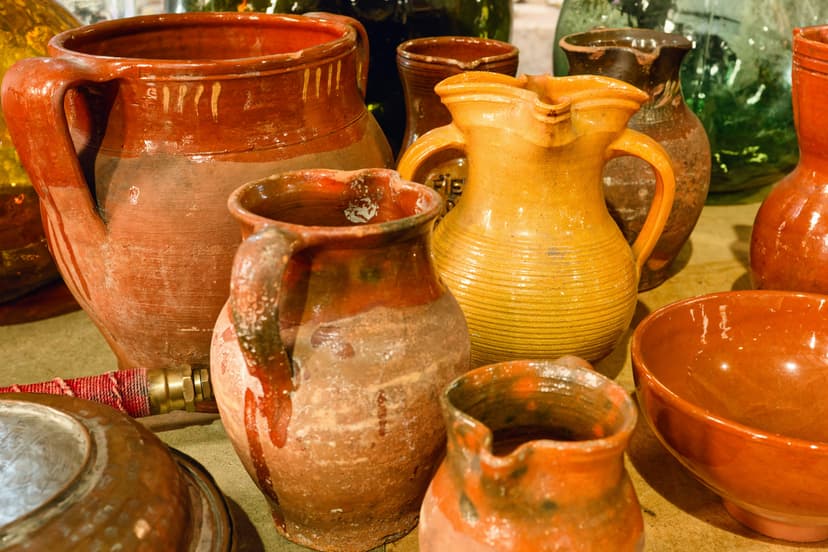
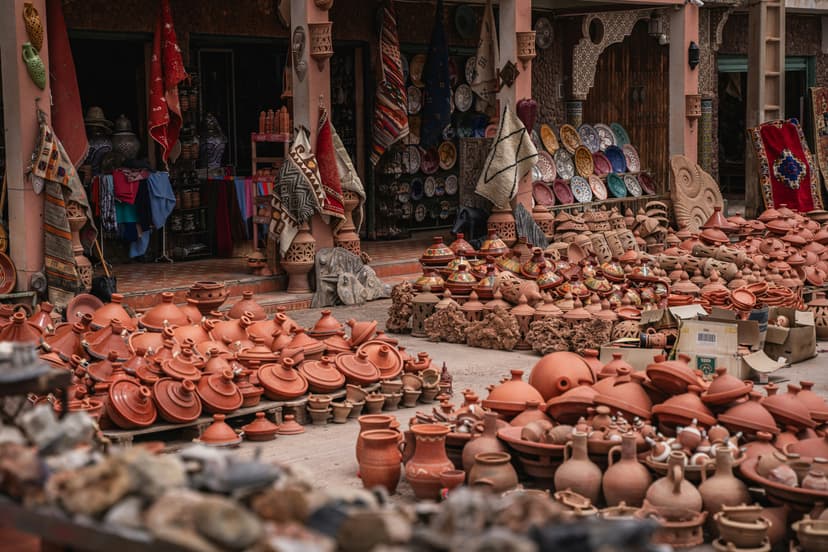
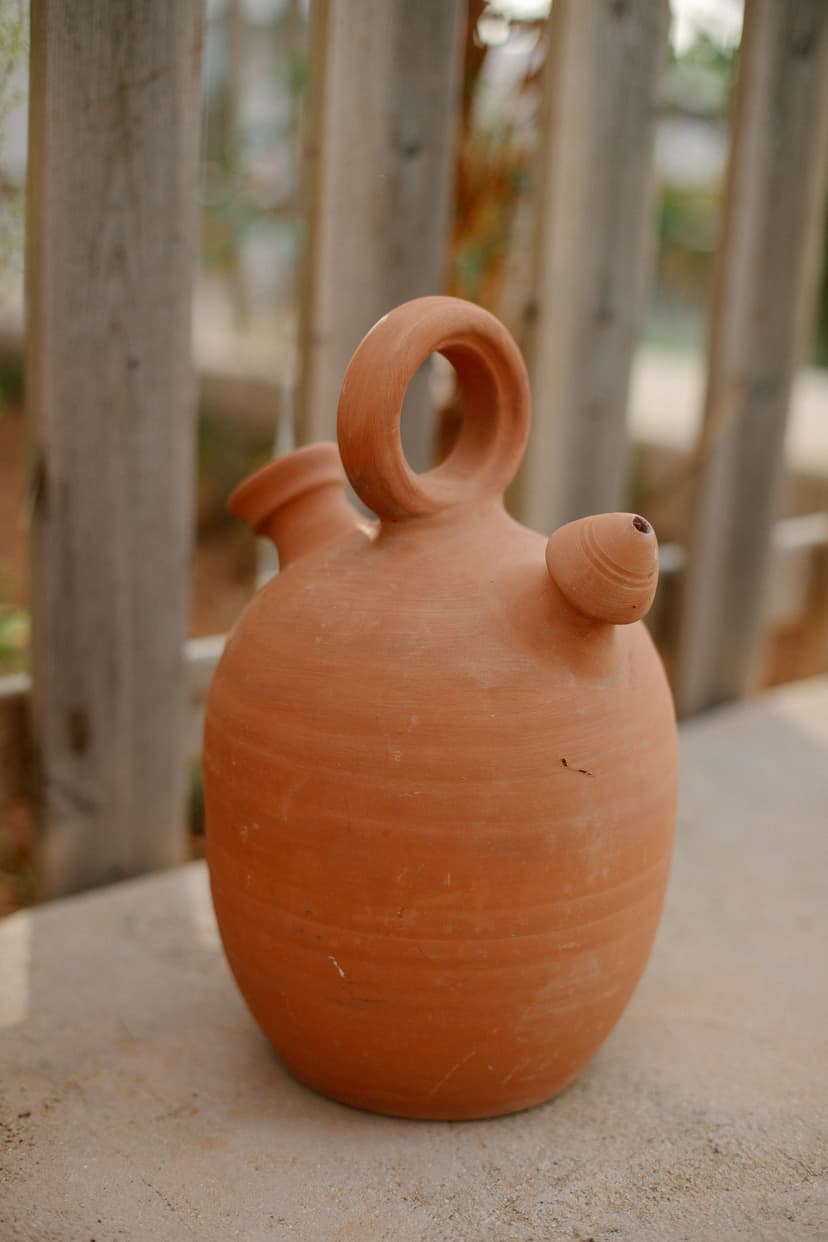
Mediterranean Terracotta
Unglazed terracotta vessels that kept water cool and fresh in hot climates for centuries.
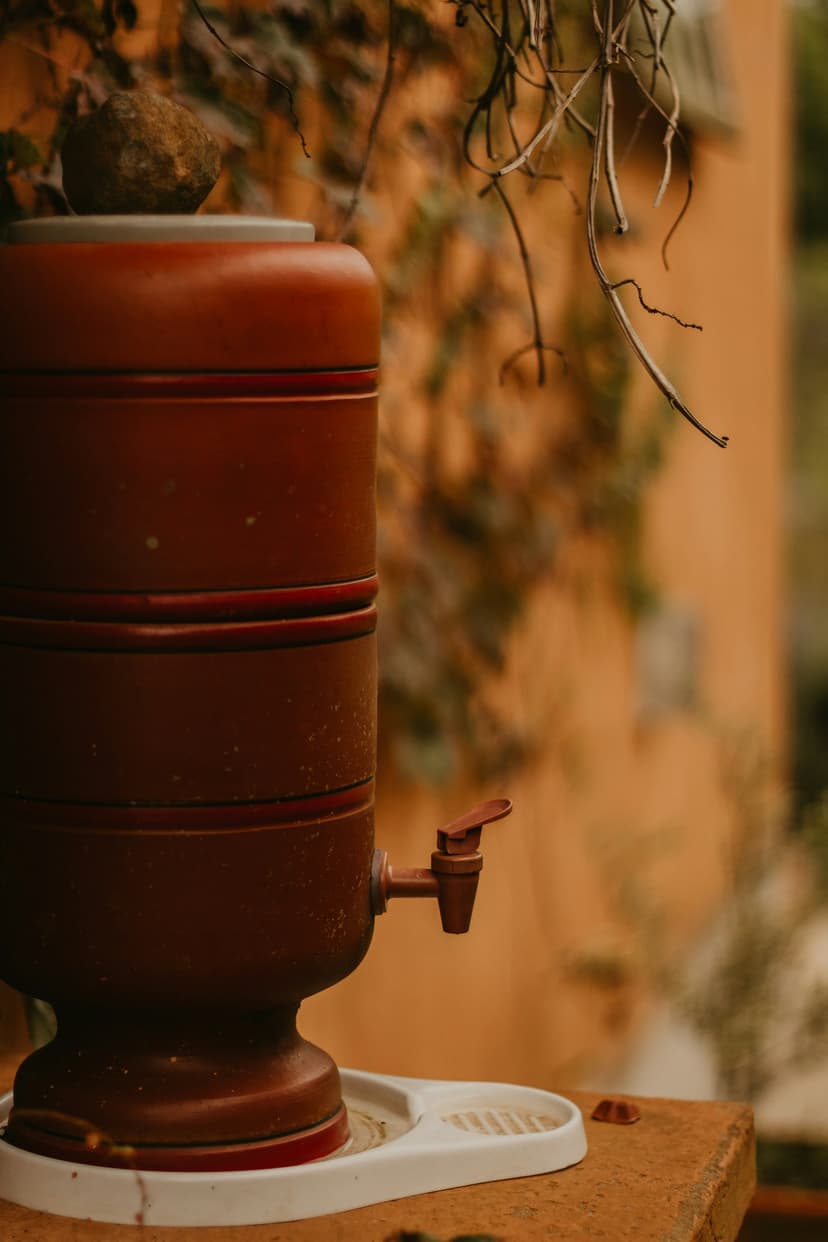
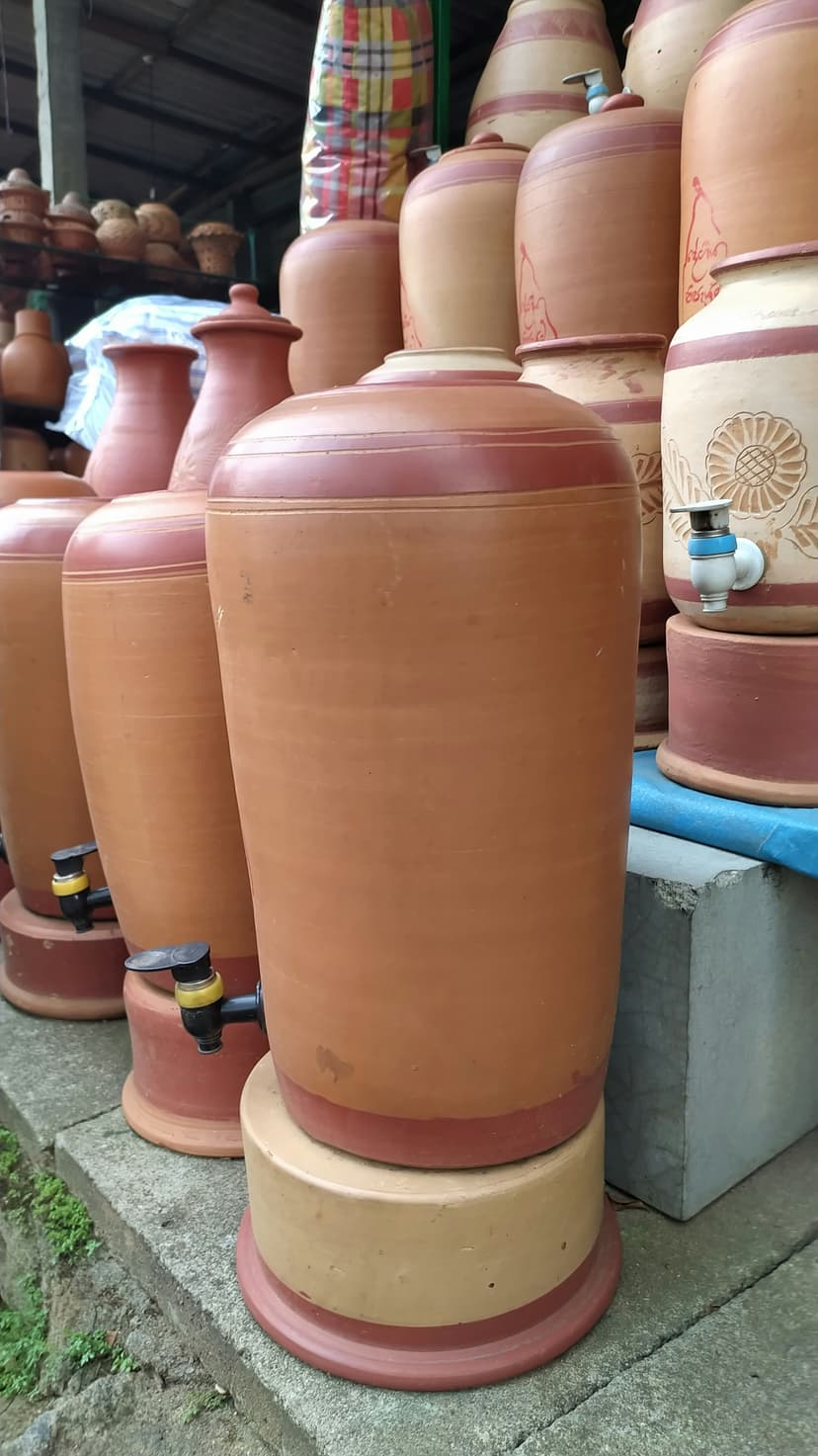
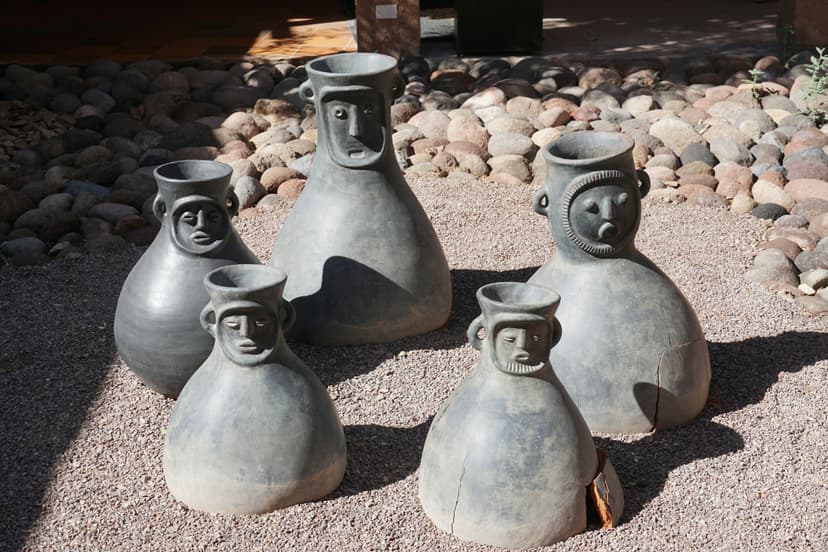
South American Clay Filtration
Indigenous communities across Central and South America designed gravity-fed clay filters for household drinking water — a tradition that continues today.
From Clay to Plastic — and Back Again
The story of how humanity stored water with earth — and why natural materials are returning to the modern kitchen.
Clay
For thousands of years, humans stored, cooled, and transported water using clay vessels. From Roman amphorae that carried liquids across the Mediterranean to Indian matka pots that kept water naturally cool through evaporation — clay was central to daily life.
Clay vessels were used for storage, transport, and cooling across many civilisations.
Plastic
The modern kitchen changed. Household filtration moved toward plastic jugs, synthetic cartridges, replaceable parts, and disposable systems. These products made filtered water convenient, but they also moved drinking water further away from natural materials.
Millions of households now rely on plastic pitcher filters and disposable cartridges.
Clay, Engineered
Hydrate The Imagination is exploring a different path. We are bringing clay back into the conversation — not as nostalgia, but as a material to be studied, engineered, tested, and refined for modern homes.
Ancient material wisdom meets modern water science. A natural filter for the next generation.
Not a step backwards. A material step forward.
We Are Not Guessing The Clay. We Are Engineering It.
Ancient material. Modern science.
Study the Clay
Study mineral composition, crystalline structure, and pore formation behaviour across different clay sources and material blends.
Design the Material
Prepare candidate clay blends using selected natural materials, testing material properties to identify the most promising formulations.
Build Test Filters
Manufacture experimental clay samples under different firing conditions to understand how temperature and atmosphere affect the final filtration medium.
Validate Filtration Performance
Run controlled filtration trials in laboratory conditions to measure performance across all relevant parameters.
We study our clay at the microscopic level — characterising its structure, composition, and behaviour — so that when we say a filter performs, we can show exactly why.
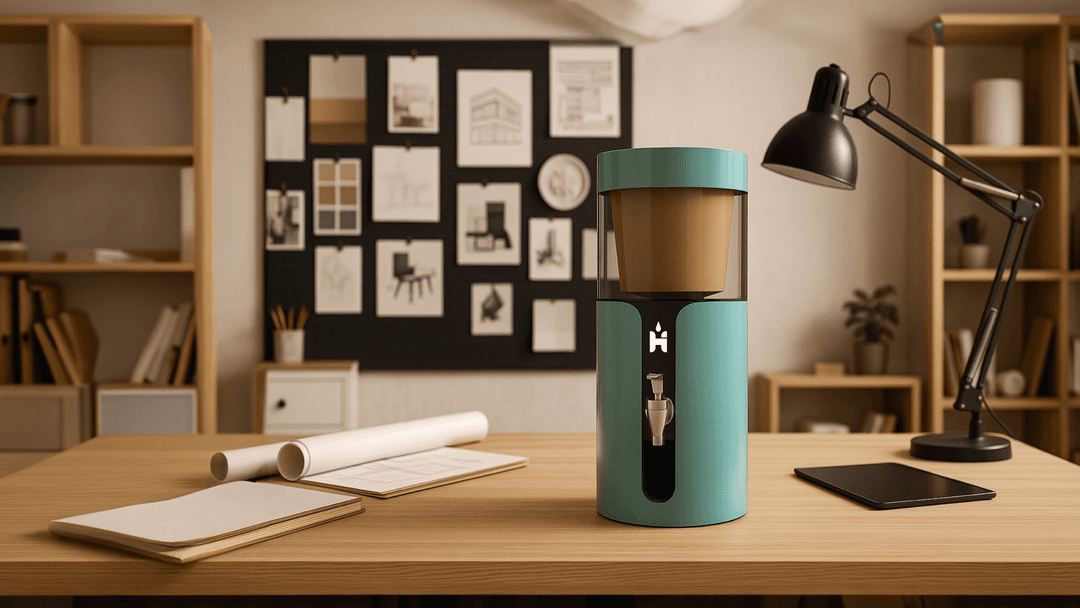
A Natural Filter For The Modern Kitchen
Natural clay filtration media
No plastic cartridges. No synthetic membranes. Just engineered clay.
No electricity required
Gravity does the work. Water flows through the filter naturally.
Gravity-driven filtration
Simple, silent, reliable. No pumps, no pressure, no complexity.
Designed for your counter
Made to sit proudly on your kitchen counter, not hidden underneath it.
Recyclable materials
Clay returns to earth. Our design philosophy prioritises end-of-life material recovery.
A natural replacement for plastic pitcher filters
Designed to sit at the centre of your daily water routine — without the disposable plastic.
What we're testing for.
We're designing and testing our clay filtration system across multiple dimensions of water quality and user experience. Our research programme is designed to investigate:
Reduction of microbial contaminants — measured against recognised standards for water safety.
Taste improvement — sensory evaluation and chemical analysis of water before and after filtration.
Reduction of common unwanted compounds — including chlorine and select organic contaminants.
Filter lifespan, flow rate, and cleaning protocols — the real-world experience of living with a clay filter.
No performance claims will be made until validated by appropriate laboratory testing and independent verification.
Where We Are Now
Hydrate The Imagination is currently in development. The concept has been shaped, the material research is underway, and the first clay filtration prototypes are being explored.
Before any product claims are made, the filter will need to go through careful laboratory testing, performance validation, and consumer feedback.
Right now, we are opening the conversation.
Concept developed
CompletedClay research underway
UnderwayPrototype in development
UnderwayLab testing underway
PlannedConsumer feedback open now
UnderwayLaunch coming later
FutureConcept developed
CompletedClay research underway
UnderwayPrototype in development
UnderwayLab testing underway
PlannedConsumer feedback open now
UnderwayLaunch coming later
FutureYour feedback will help shape what we test, what we design, and what people need to trust before bringing a natural clay filter into their homes.
Be first to know.
Join our early community for updates on laboratory results, material research, prototype development, and launch details. We're building this filter with care — and we want you along for the journey.
Read our FAQ for answers to common questions.
We'll only use your email for Hydrate The Imagination updates. No spam, no nonsense. Clay has been around for thousands of years; your inbox doesn't need more rubbish.
Help shape the filter.
Now you're on the list — five quick questions. Your answers will shape what we test, what we design, and what we bring to market. Two minutes.
What's coming.
This is just the beginning. Here's what you can expect as our work progresses.
Coming soon
Laboratory Testing Results
Verified filtration data from our trials, published transparently.
Coming soon
Clay Research Findings
Analysis of composition, structure, and filtration behaviour.
Coming soon
Prototype Development Updates
Behind-the-scenes progress on design and manufacturing.
Coming soon
Product Launch Details
Availability, pricing, and how to get a filter when we launch.
Coming soon
Material Sourcing Story
Where our clay comes from and the geology behind it.
Hydrate The Imagination is currently in development. Filtration performance claims will only be made following appropriate laboratory testing and independent verification. This product is intended for treated household tap water unless otherwise certified.